The Quick Sprout
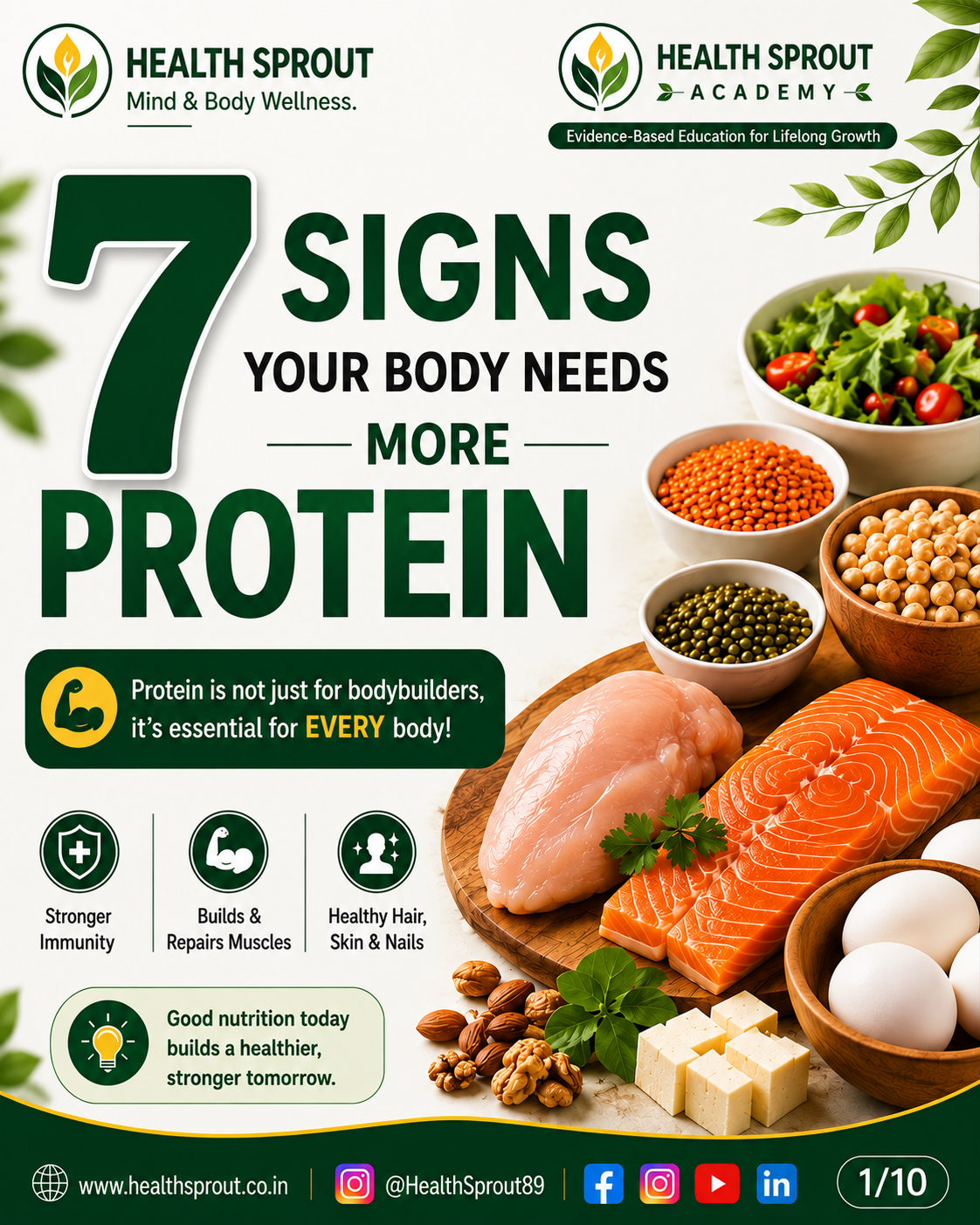
- Protein supports tissue maintenance, muscle, enzymes, hormones and many immune function s.
- The seven signs in the infographic are clues for reflection, not a diagnostic test for protein deficiency .
- Fatigue, hair changes, skin problems, brittle nails and frequent illness can have many causes, so symptoms should be interpreted in context.
How to use this: Read this box first for the core message, then continue into the full evidence-based explanation below.
A Sign Is a Clue — Not a Diagnosis
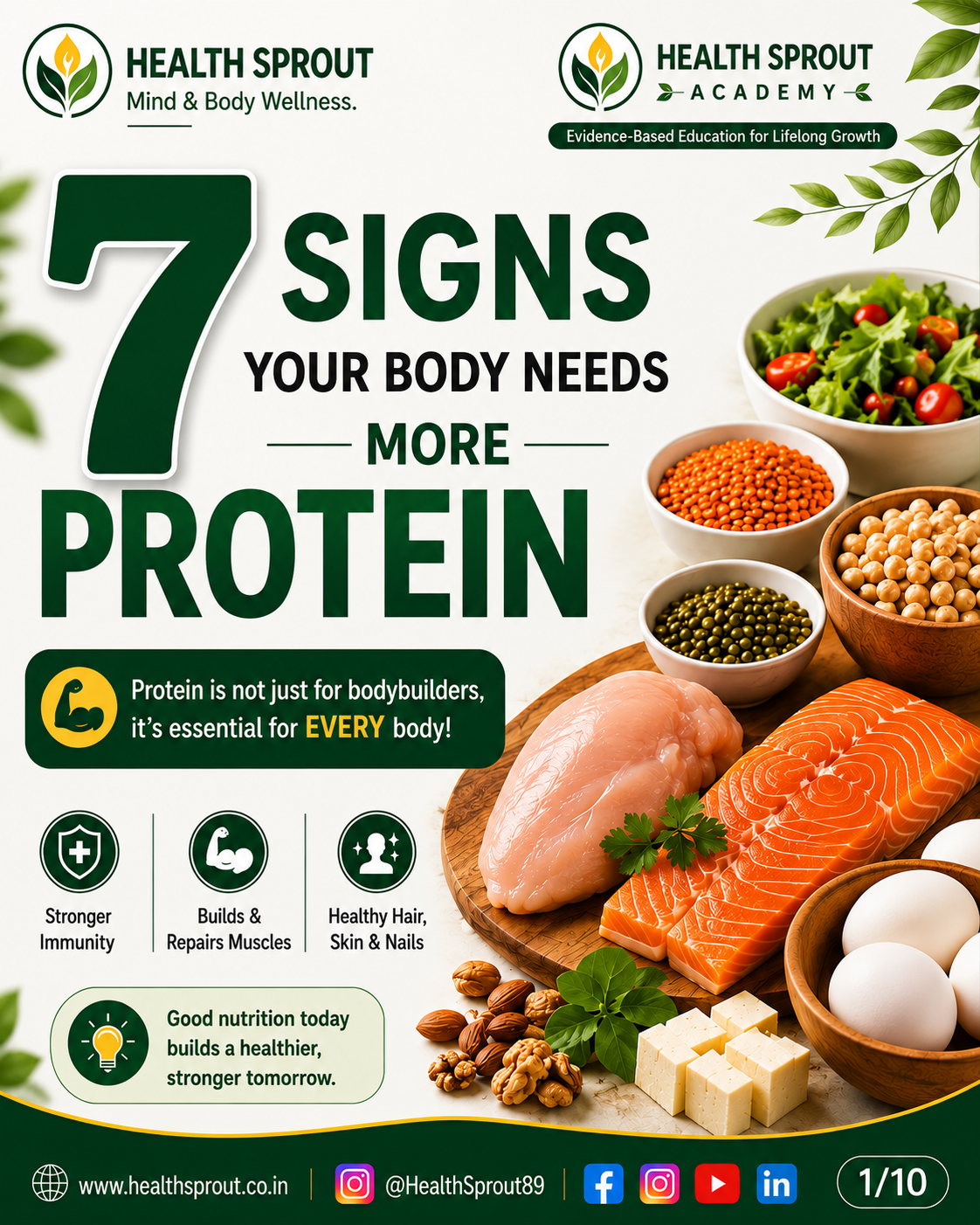
Protein is an essential macronutrient . It contributes to the maintenance of muscle and other tissues and supports the production of enzymes, hormones and many proteins involved in immune function. But a symptom list should never be treated as a diagnostic test.
The seven signs shown in the Health Sprout infographic are best used as conversation starters . They can prompt a person to examine whether their overall diet is adequate, varied and appropriate to their life stage and physical demands.
What Does “Not Getting Enough Protein” Actually Mean?
Dietary protein inadequacy and clinically significant protein-energy undernutrition are related, but they are not the same thing. A person may eat a relatively modest amount of protein without developing obvious clinical undernutrition. Conversely, clinically significant undernutrition can involve inadequate energy, protein and other nutrients together.
A proper nutritional assessment therefore looks at the whole picture: usual dietary intake, appetite, weight trajectory, muscle mass and function, illness, injury, gastrointestinal problems, food restrictions and other risk factors.
1. Constant Fatigue
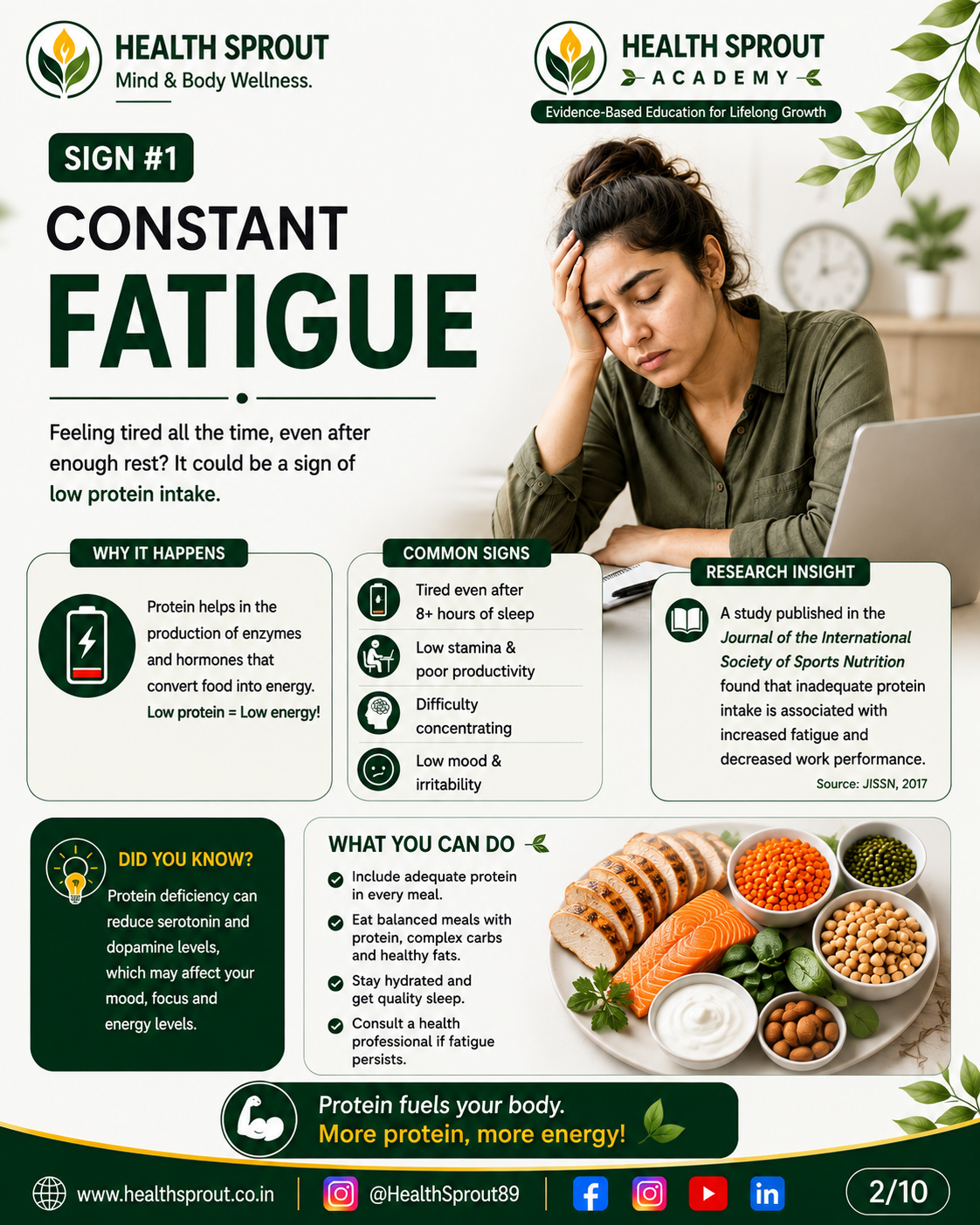
Protein-energy undernutrition can be associated with weakness and reduced work capacity. If overall nutrition is inadequate, the body may not have enough energy and nutrients to support normal function efficiently.
However, fatigue is one of the least specific symptoms in nutrition. Poor sleep, anemia, infection, thyroid disorders, inadequate total energy intake, stress and many other health conditions can produce persistent tiredness.
Evidence interpretation: fatigue can justify a review of dietary adequacy, but it should not be used alone to diagnose protein deficiency.
2. Poor Wound Healing
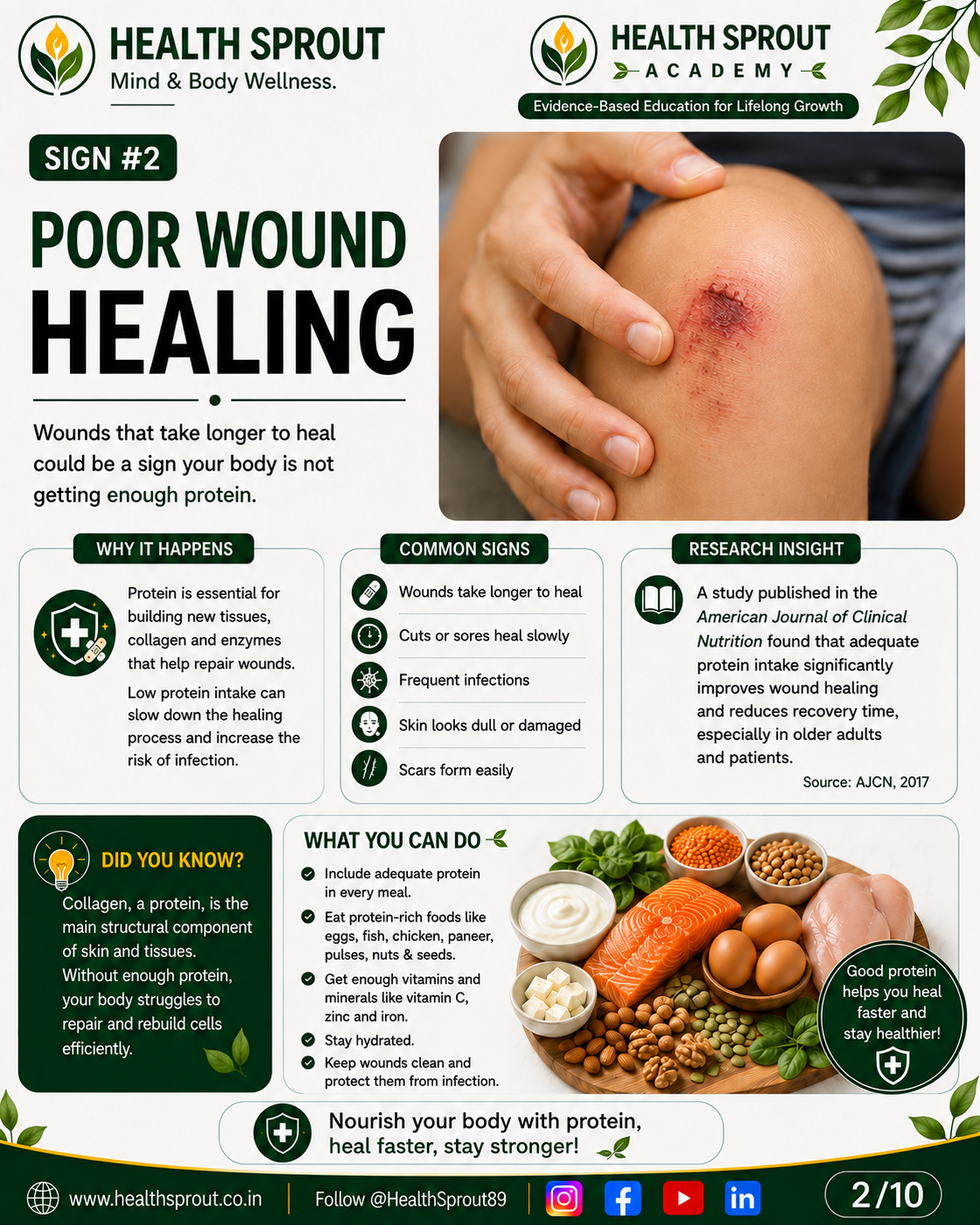
Protein contributes to the construction of new tissue, enzymes and other components involved in repair. Clinically significant protein-energy undernutrition can impair wound healing and recovery.
But healing is influenced by far more than protein. Diabetes, infection, circulation, smoking, pressure, inflammation and micronutrient status can all change how quickly a wound heals.
Practical point: persistent or unexpectedly slow wound healing deserves professional assessment rather than automatic self-supplementation.
3. Weak or Brittle Nails
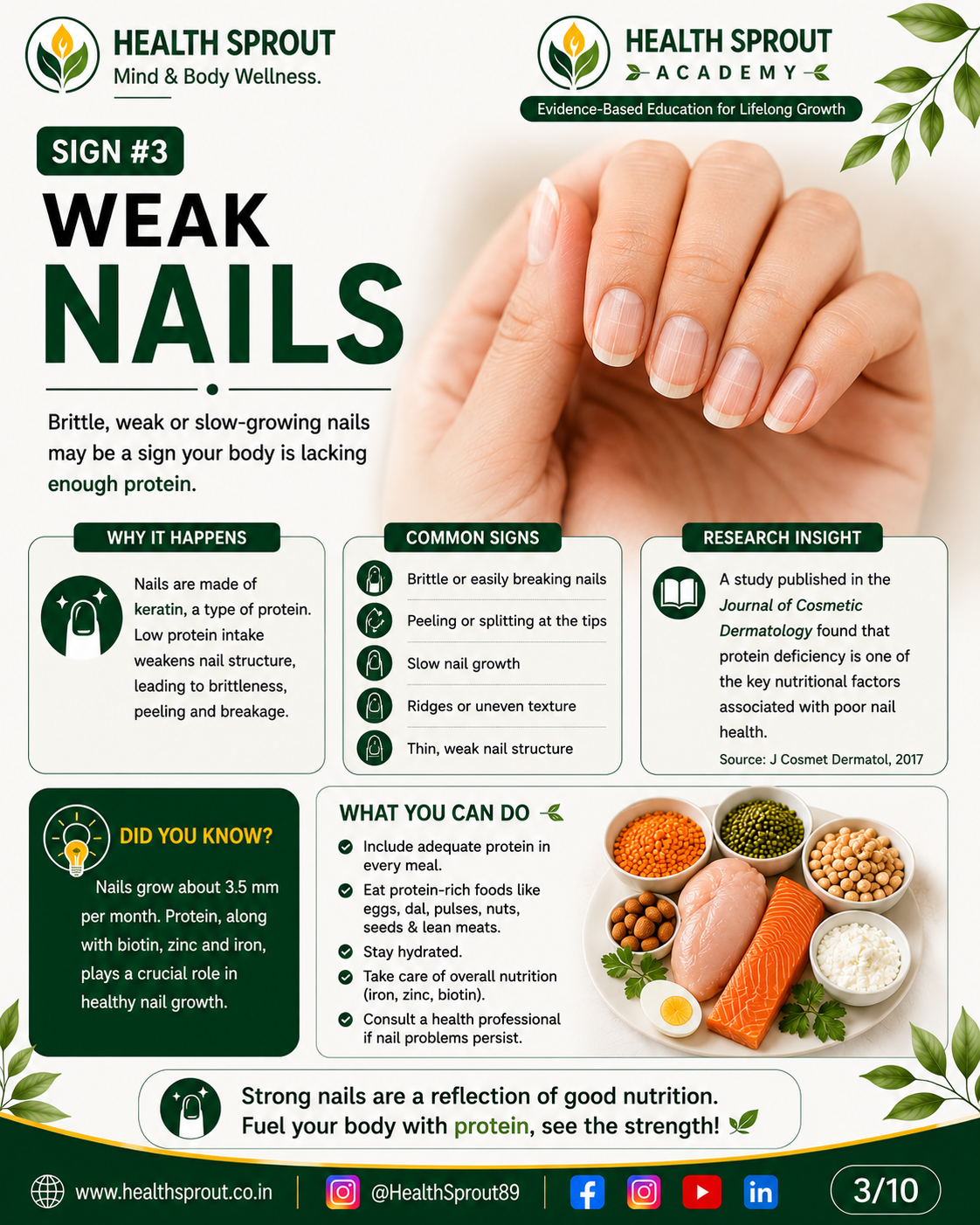
Nails are rich in keratin, so adequate protein contributes to normal nail structure. Yet brittle, splitting or slow-growing nails are not specific to protein inadequacy.
Other nutritional deficiencies, repeated wetting and drying, trauma, nail products and medical conditions can also change nail texture and growth.
4. Muscle Loss or Weakness
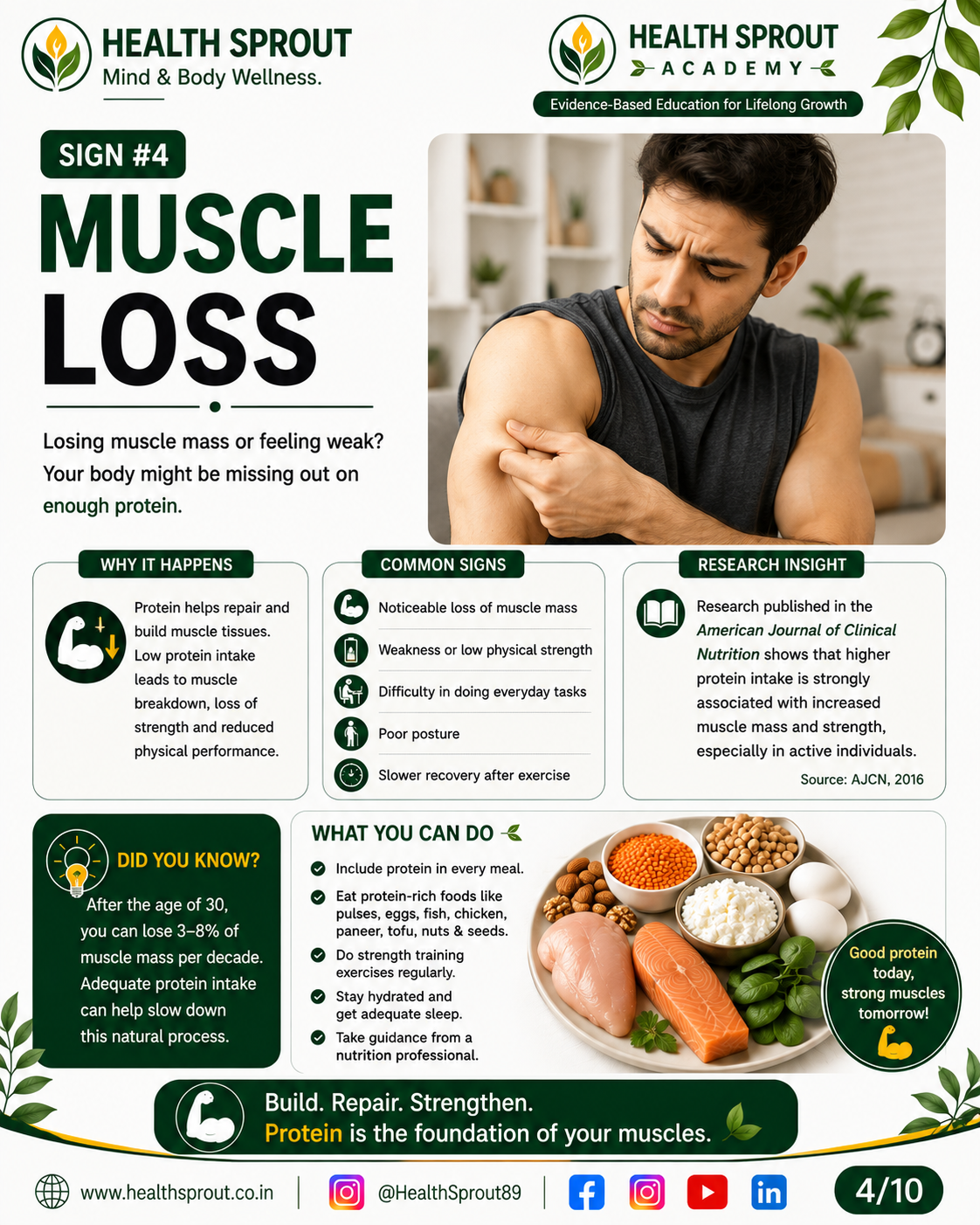
Among the seven signs, muscle loss has one of the clearest biological connections to inadequate protein-energy intake. Muscle tissue is continuously being built and broken down, and insufficient nutrition can shift that balance toward loss.
Still, muscle loss is multifactorial. Ageing, inactivity, prolonged illness, fasting and other catabolic states can reduce muscle mass and strength even when protein intake is not the only problem.
For active adults, resistance training and sufficient energy availability are important companions to adequate protein intake.
5. Hair Fall & Dull Hair
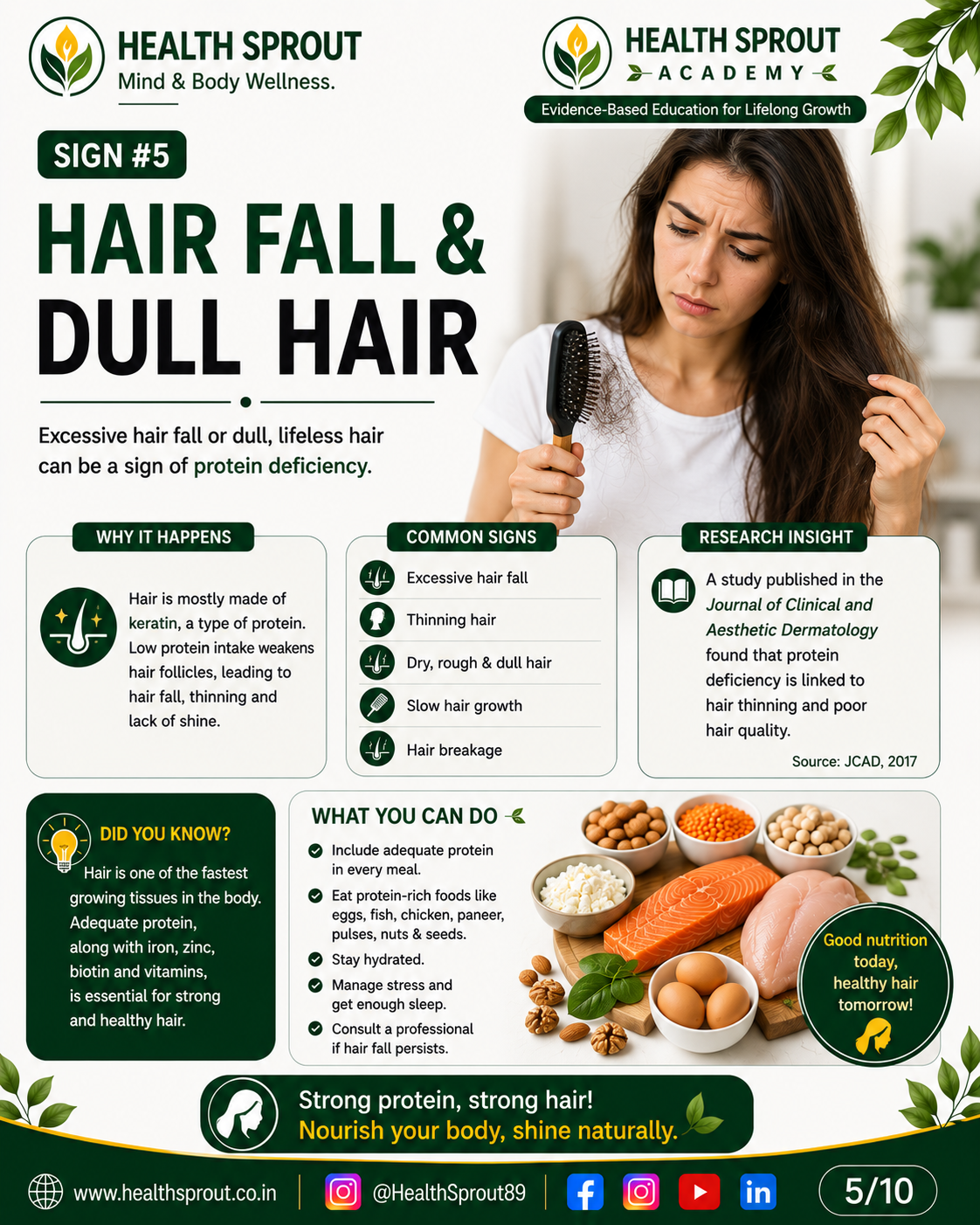
Hair is rich in keratin, and severe nutritional stress can alter hair growth and quality. Protein-energy undernutrition can therefore be associated with hair thinning, loss or changes in texture.
But hair loss is not a protein-deficiency test. Iron deficiency, thyroid disease, medications, illness, hormonal factors and other causes may produce similar changes.
Interpretation: persistent hair fall should be viewed through the wider nutritional and medical context.
6. Dry Skin & Frequent Skin Problems
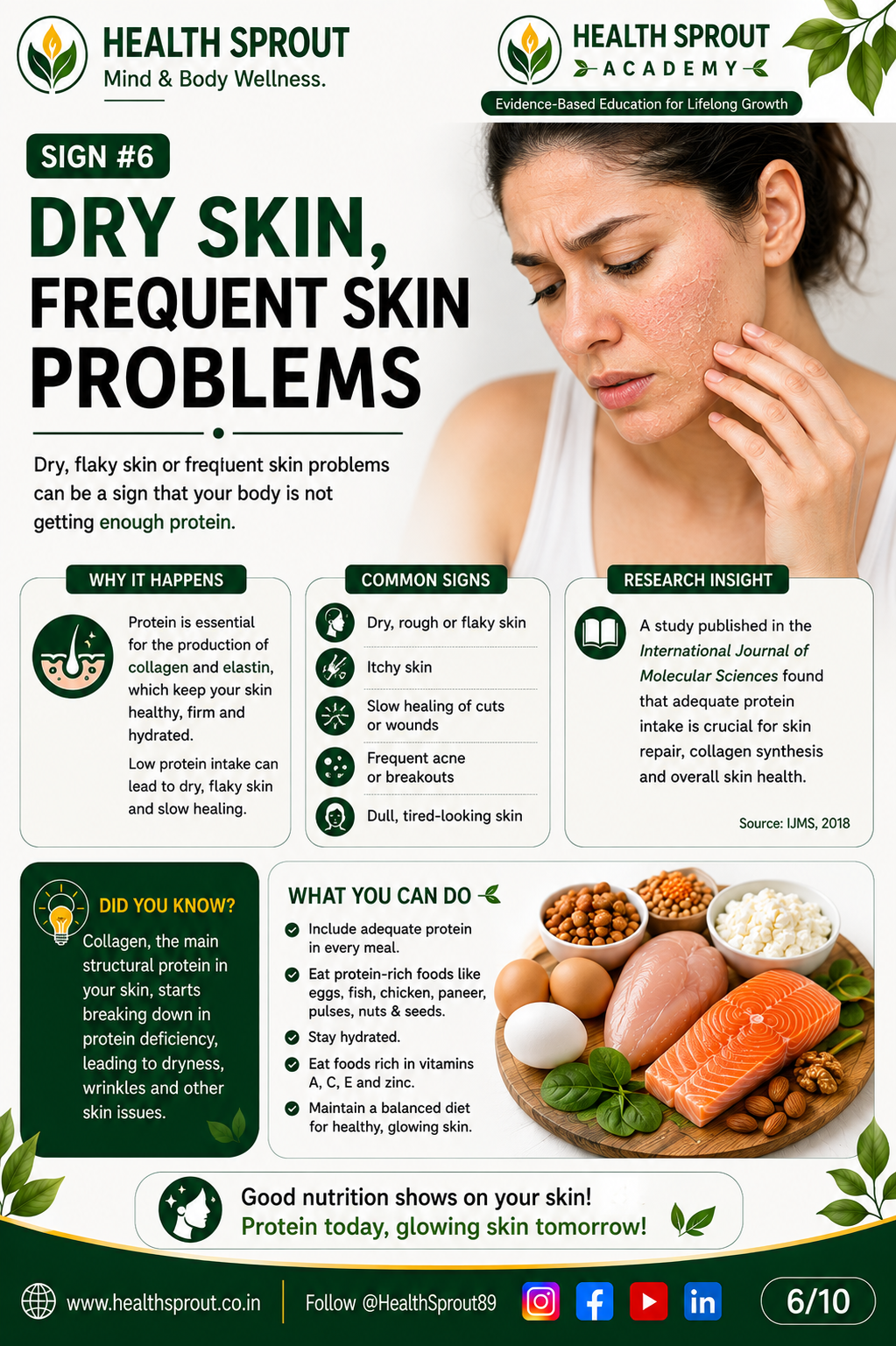
The skin is a living tissue with continuous turnover. Protein contributes to the production and maintenance of structural proteins and other molecules involved in tissue integrity and repair.
Very poor nutrition can be associated with changes in skin quality and healing. But dry skin, acne or other skin problems are common and nonspecific; hydration, climate, skincare, hormonal status and medical conditions may all contribute.
7. Poor Immunity & Frequent Illness
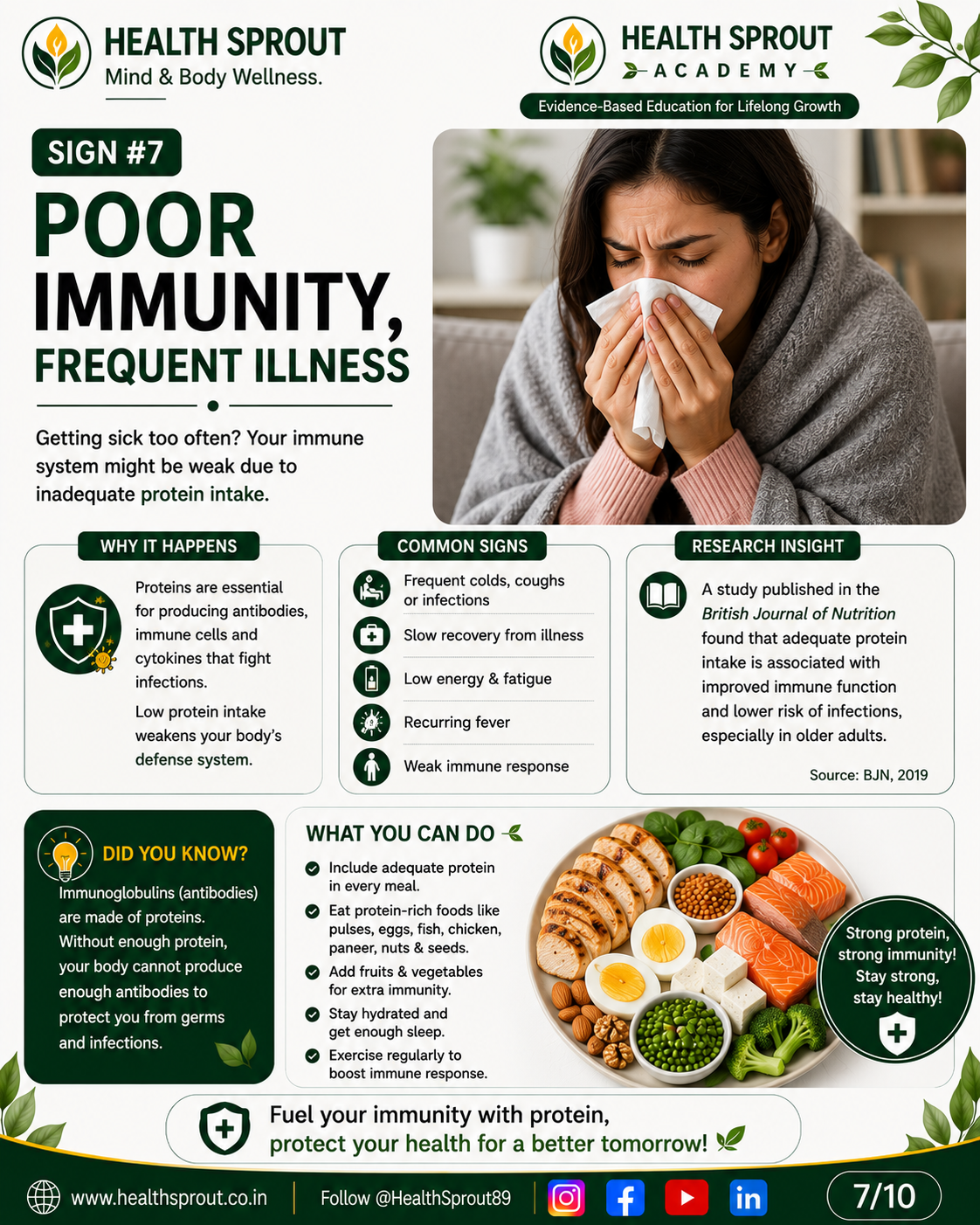
Severe protein-energy undernutrition can impair immune function and increase vulnerability to infection. Adequate nutrition is therefore important for the body's defense systems.
At the same time, frequent colds or infections do not prove a protein deficiency. Recurrent illness may reflect infectious exposure, sleep, stress, underlying disease, environmental factors or other medical causes.
Takeaway: recurrent or unusually severe infections should be evaluated medically rather than explained by protein alone.
Protein Requirement of Adults
Protein needs are not identical for everyone. They vary with body size, age, activity, pregnancy or lactation, illness, injury, recovery and training. The supplied Health Sprout educational poster presents an Indian reference of 0.83 g/kg body weight/day for healthy sedentary adults and shows an international range of 0.8–1.0 g/kg/day for healthy adults.
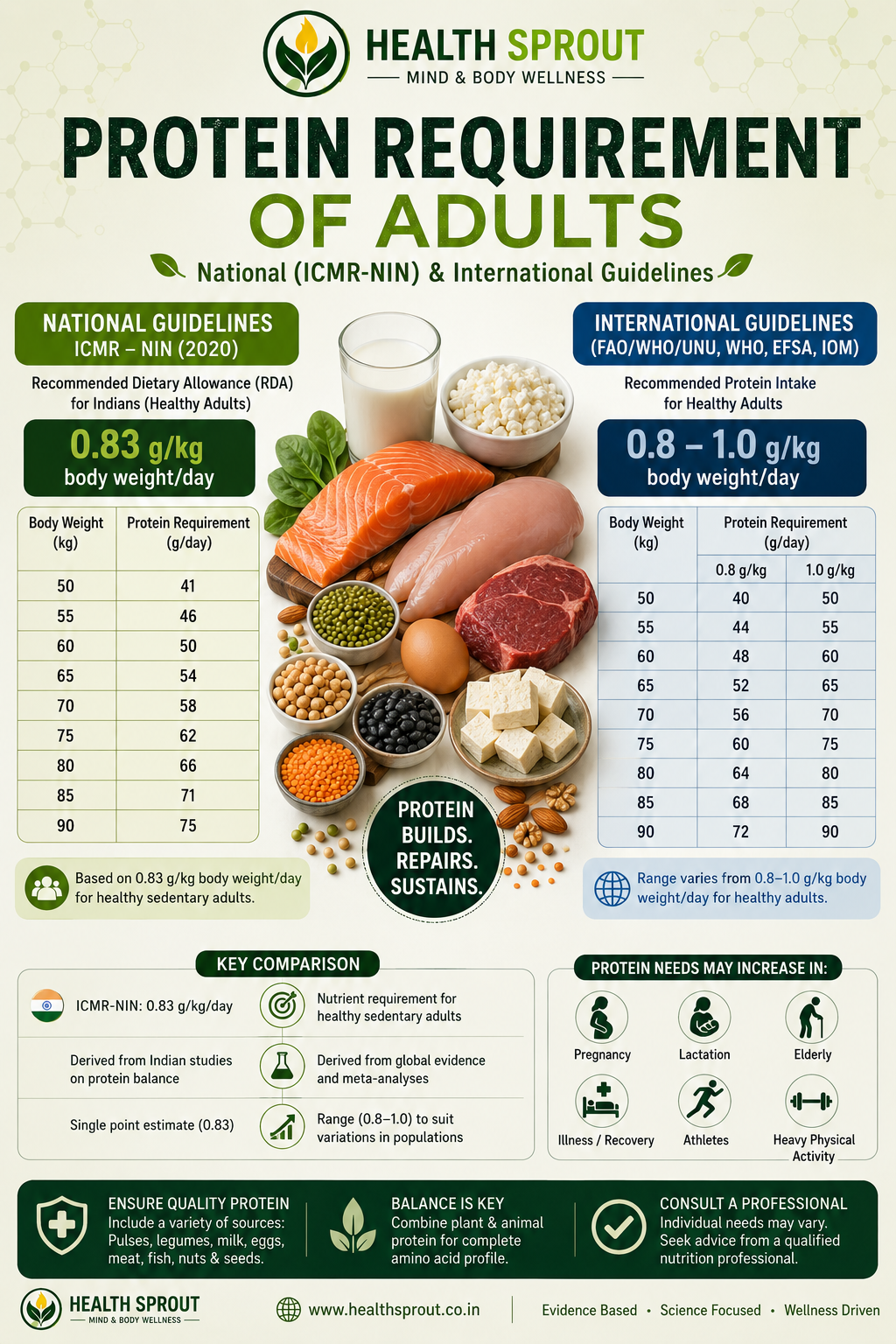
For example, the poster calculates 70 kg at approximately 58 g/day using 0.83 g/kg/day, while its international comparison gives 56–70 g/day across the 0.8–1.0 g/kg range.
Protein Sources: Animal and Plant Foods
Protein can come from both animal and plant foods. The supplied Health Sprout protein-sources poster groups foods into animal sources and plant sources and emphasizes variety and balance rather than a single “best” food.
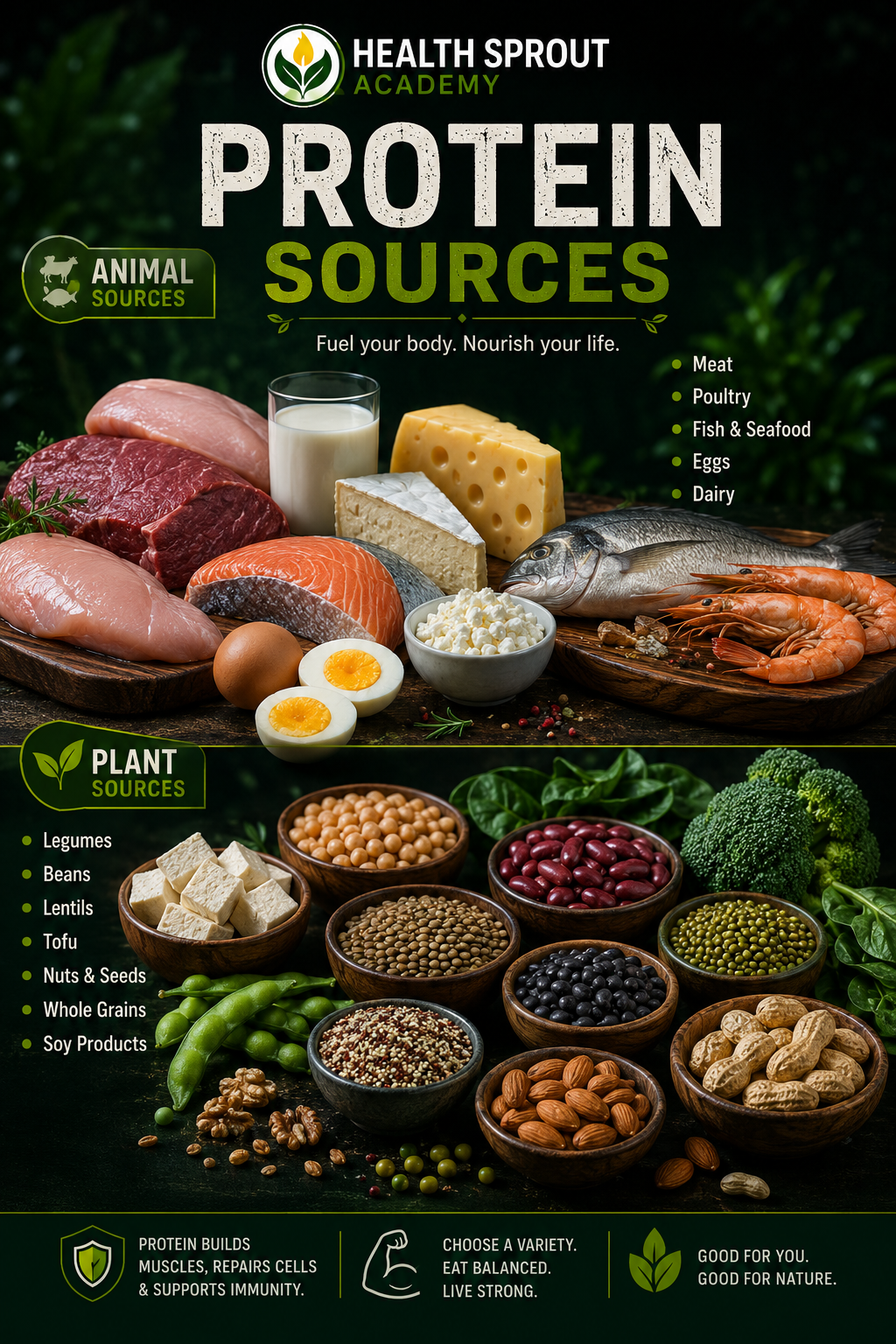
For many people, variety across meals is more useful than focusing on one high-protein food. Plant-based patterns can provide substantial protein when legumes, pulses, soy foods, nuts, seeds and grains are included regularly.
What You Can Do
The best response to the seven signs is not automatically a protein supplement. Start with the basics:
Also remember that hydration, sleep, stress management and overall diet quality influence energy, recovery and wellbeing. A nutrition problem is rarely solved by one nutrient in isolation.
Frequently Asked Questions
Can fatigue alone mean that I am protein deficient?
No. Fatigue is nonspecific and can have many causes. It should be considered together with dietary intake and overall health.
Can low protein contribute to muscle loss?
Yes. Inadequate protein-energy intake can contribute to muscle wasting. Ageing, inactivity, illness and other factors can also cause muscle loss.
Can low protein affect wound healing?
Yes. Protein and adequate overall nutrition are important for tissue repair, and severe undernutrition can impair healing. Other clinical factors matter too.
Can vegetarians get enough protein?
Yes. Legumes, beans, lentils, soy foods, nuts, seeds and whole grains can all contribute to protein intake.
Does everyone need 1 g/kg of protein?
No. Protein needs vary by body size, life stage, activity and health status. The values in the supplied poster are reference frameworks, not universal prescriptions.
Do I need protein supplements if I have these signs?
Not necessarily. A symptom does not prove deficiency. Food intake, clinical context and individual needs should be considered before supplementation.
Why This Matters
Protein inadequacy can present through several nonspecific patterns, but symptoms alone cannot confirm a protein deficiency. Context matters: total intake, energy intake, illness, age, body size, training and the clinical picture all influence protein needs.
Myth Bust
Myth: One symptom, such as hair loss or fatigue, proves that someone is protein deficient.
Fact: Many conditions can cause the same symptom. Protein status should be interpreted alongside dietary history, health status and appropriate professional assessment.
Practical Application
Before increasing protein dramatically, review the full diet and the reason for increased needs. A simple food diary plus an estimate of daily protein can provide a better starting point than symptom-driven guessing.
Quick Takeaways
- Symptoms are clues, not a diagnosis.
- Adequate energy intake matters because protein can otherwise be used for energy.
- Protein needs vary with age, body size, training and health status.
References & Further Reading
- Merck Manual Professional — Protein-Energy Undernutrition
- EFSA — Dietary Reference Values for protein
- ICMR–National Institute of Nutrition — Dietary Guidelines for Indians, 2024
- National Academies / Institute of Medicine — Dietary Reference Intakes for protein and amino acids.
- Clinical and nutrition literature on protein-energy undernutrition, wound healing, skeletal muscle maintenance, hair and skin biology, and immune function.